
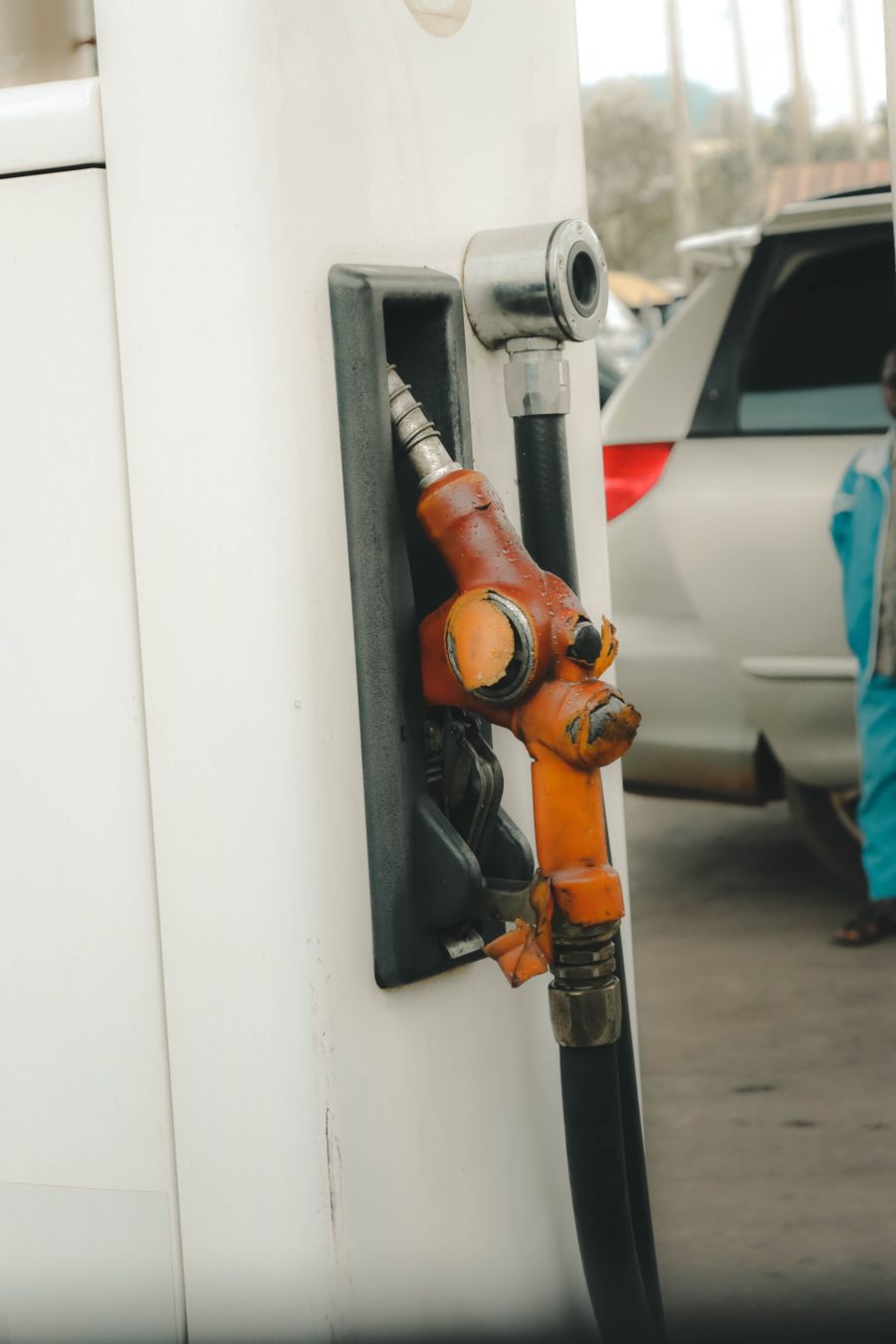
On-demand fuel delivery brings fuel to cars, fleets and equipment wherever they are parked. It's convenient for customers and can be a profitable business when the operations and technology are solid.
Who uses fuel delivery?
- Busy drivers who want to skip the station.
- Businesses with vehicle fleets.
- Construction sites and generators.
- Farms and equipment yards.
The three apps you need
A complete platform usually includes a customer app for ordering and tracking, a driver app for routes, meter readings and safety checklists, and an admin panel for dispatch, pricing, tanker inventory and reporting.
Must-have features
- Scheduled and on-demand ordering
- Live GPS tracking
- Dynamic pricing by zone and fuel type
- Automated invoicing and payments
- Safety checklists and proof of delivery
- Fleet accounts with multiple vehicles
Cost to build
A focused MVP typically starts around $25,000–$45,000. A full multi-app platform with fleet accounts, advanced dispatch and analytics often ranges from $60,000 to $150,000+.
Don't skip complianceFuel handling is regulated. Build in licensing records, safety checks and audit trails from the start.
Business models
Common models include a delivery fee per order, a markup on fuel price, monthly subscriptions for frequent users and B2B contracts with fleets.